A Broad-bodied Boy

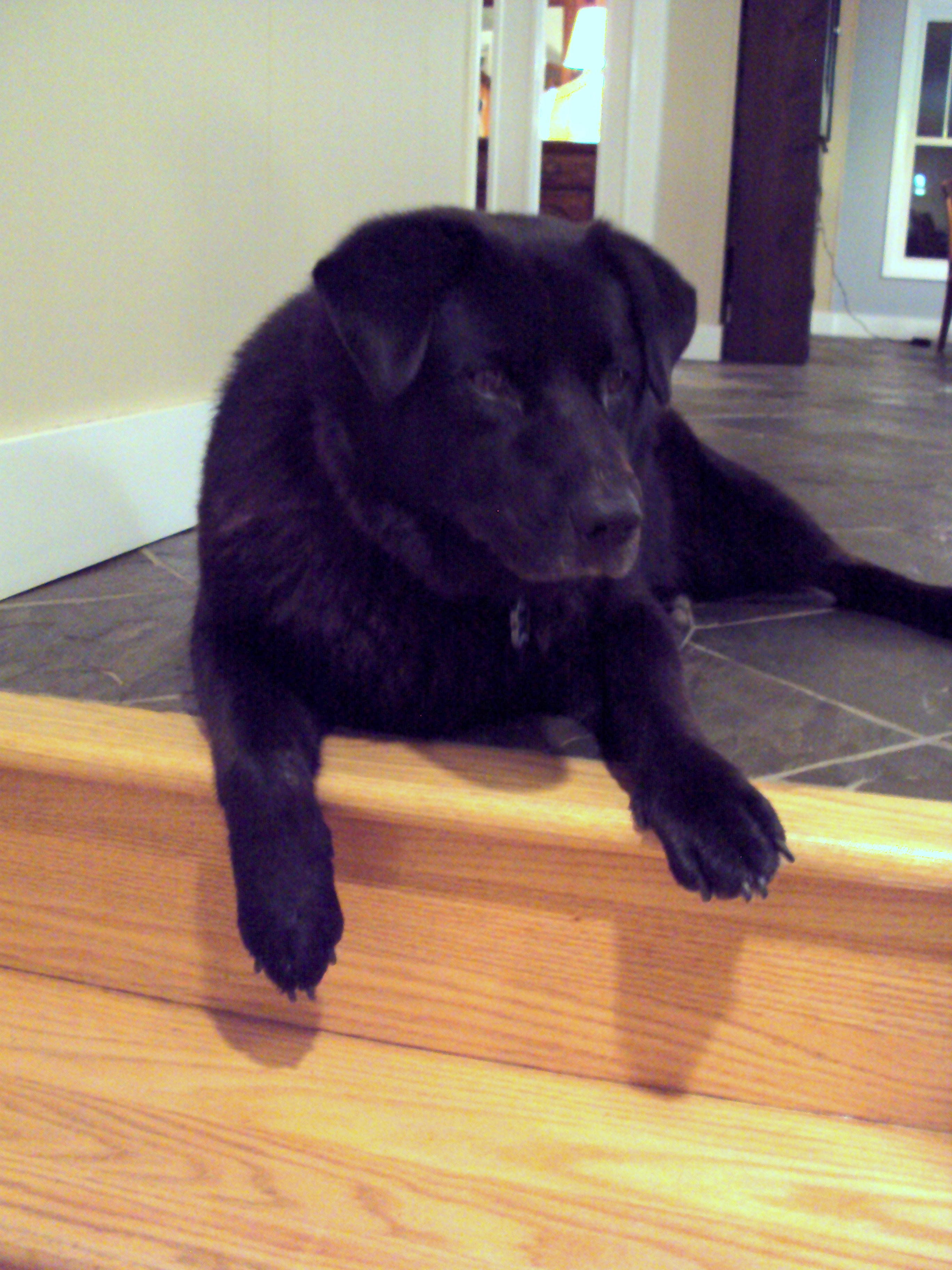
My buddy Jack is the perfect dog, loyal, loving and protective. Lately, though, his once-predictable behavior has changed. Although he gets at least three walks and a beach trip every day, recently he’s been requesting more (pestering with whining, refusing to settle, wagging enthusiastically).
And another change: after “doing his business” morning and evening for years, now it’s morning, mid-morning, mid-day, mid-afternoon and evening. Louisa and I just couldn’t figure it out.

Then there was his new habit of going to the basement, something he never did except to follow me, if I went. Although he didn’t sneak down there while we were home, each time we left and returned, we found him climbing up the steps to greet us rather than sitting atop the stairs in his usual spot.

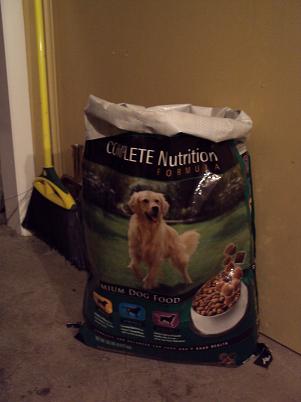
Today we solved the mystery. Jack has been sneaking extra dog food. He’s never snatched a piece of meat off the counter or a tidbit from the edge of the dining table. His manners have been impeccable since we got him 8 years ago, but now something’s changed.

Maybe the whole thing is my fault, since his giant bag of dog food always sits wide open on the basement floor. I didn’t know it was tempting him and wonder how much temptation finally put him “over the top.”
We could wonder the same about ourselves. None of us are tempted to bury our faces in a bag of Kibbles and Bits, although we might do it if the morsels were covered in chocolate.

Of course temptations come in all sizes and shapes, and they’re not all cloaked in calories. Satan’s efforts to derail righteousness involve taking anything God meant as a blessing and pushing it to an extreme, either too much or too little. No category is exempt from his tampering: what we read, watch, eat… or don’t read, watch eat. Where we go, who we befriend, how we judge, what we say… or don’t.

Scripture describes two roads to get through life: the broad and the narrow. A picture of the broad one includes the devil’s acres of extremes; the narrow way depicts a moderate middle. Since most of us are less about self-control and more about keeping all our options open, we know which road looks most attractive.

After Jesus expounded on the two roads, his next scriptural words were, “Watch out!” And therein lies the key to successfully walking the narrow road: we need to keep a watchful eye on the broad one, so we’ll know when we’re wandering too close to it. But keeping an eye on it and stepping on it are as different as resisting temptation and giving in to it. We need to watch out!

And speaking of narrow and broad, Jack’s broadening physique has betrayed which road he prefers.

“Wide is the gate and broad is the road that leads to destruction, and many enter through it. But small is the gate and narrow the road that leads to life, and only a few find it.” (Matthew 7:13,14)
Posted in Sin

Spicy Relationships

Nate and I married when he was a second year law student at the University of Illinois and I was a teacher in a small town. Without money, we feathered our first nest in Early Hand-Me-Down, delighted with reject-carpeting and a used couch. Sticking Contact paper onto cabinets, walls and canisters (coffee cans) made our place a beautiful backdrop for young love.

I remember the first couple-trip we made to the grocery store to buy supplies. Our 23” long receipt is still glued into my engagement scrapbook, a happy reminder of a delightful date-night (despite the extravagant $43.68 bottom line).

While we were at the grocery store, Nate asked if we could buy some spices. Since he didn’t cook, I wasn’t sure why, but we bought the minimum: salt, pepper, cinnamon… and nutmeg. We painted the one-bedroom apartment white, and I moved in. (Nate had to wait 3 months, till after our November wedding.)

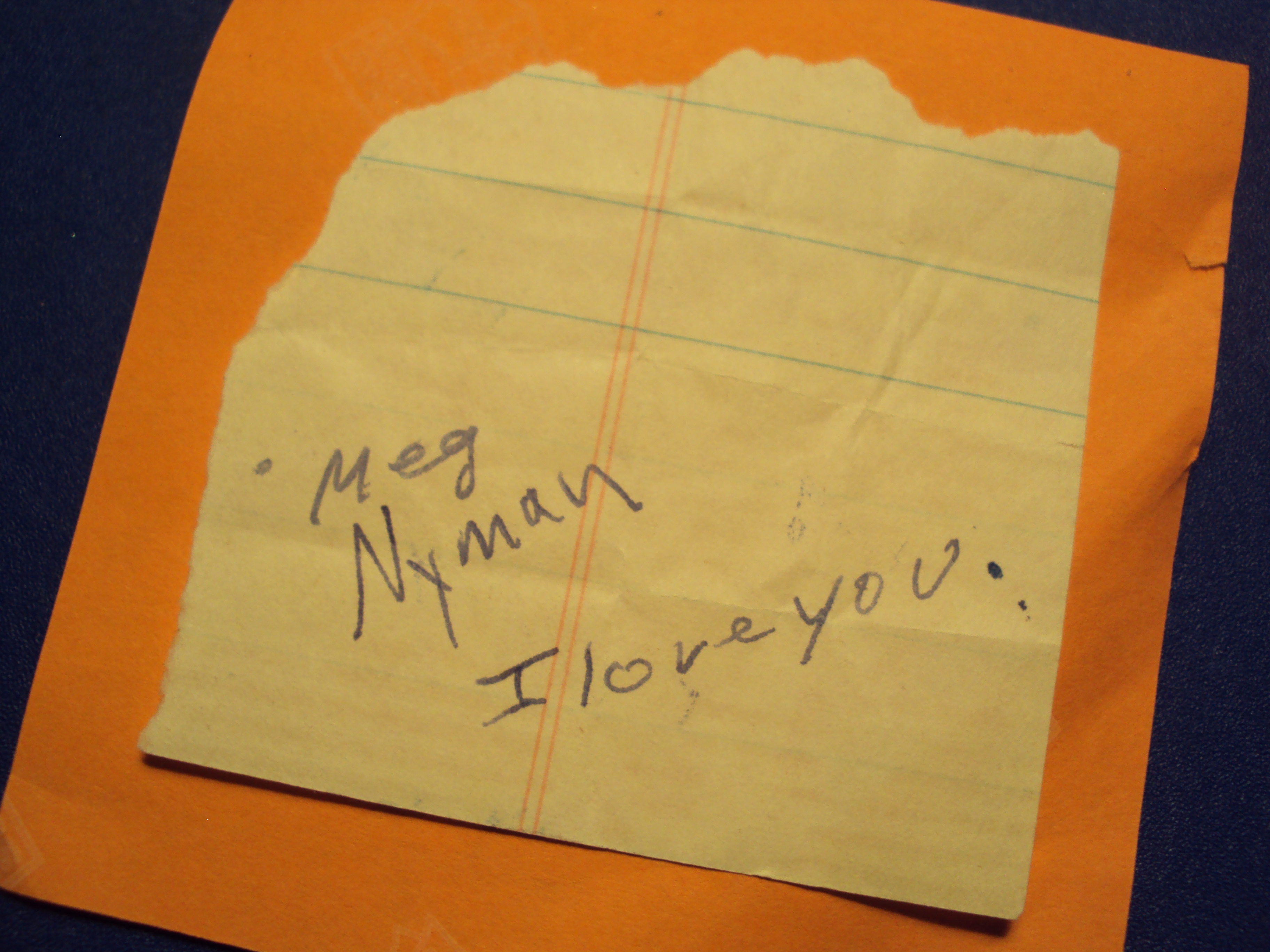
Like every other young couple, we had love-names for each other. Some will remain a secret, but the one Nate used most was “Meg”. It was unique to him, and both of us used it on love notes and cards.

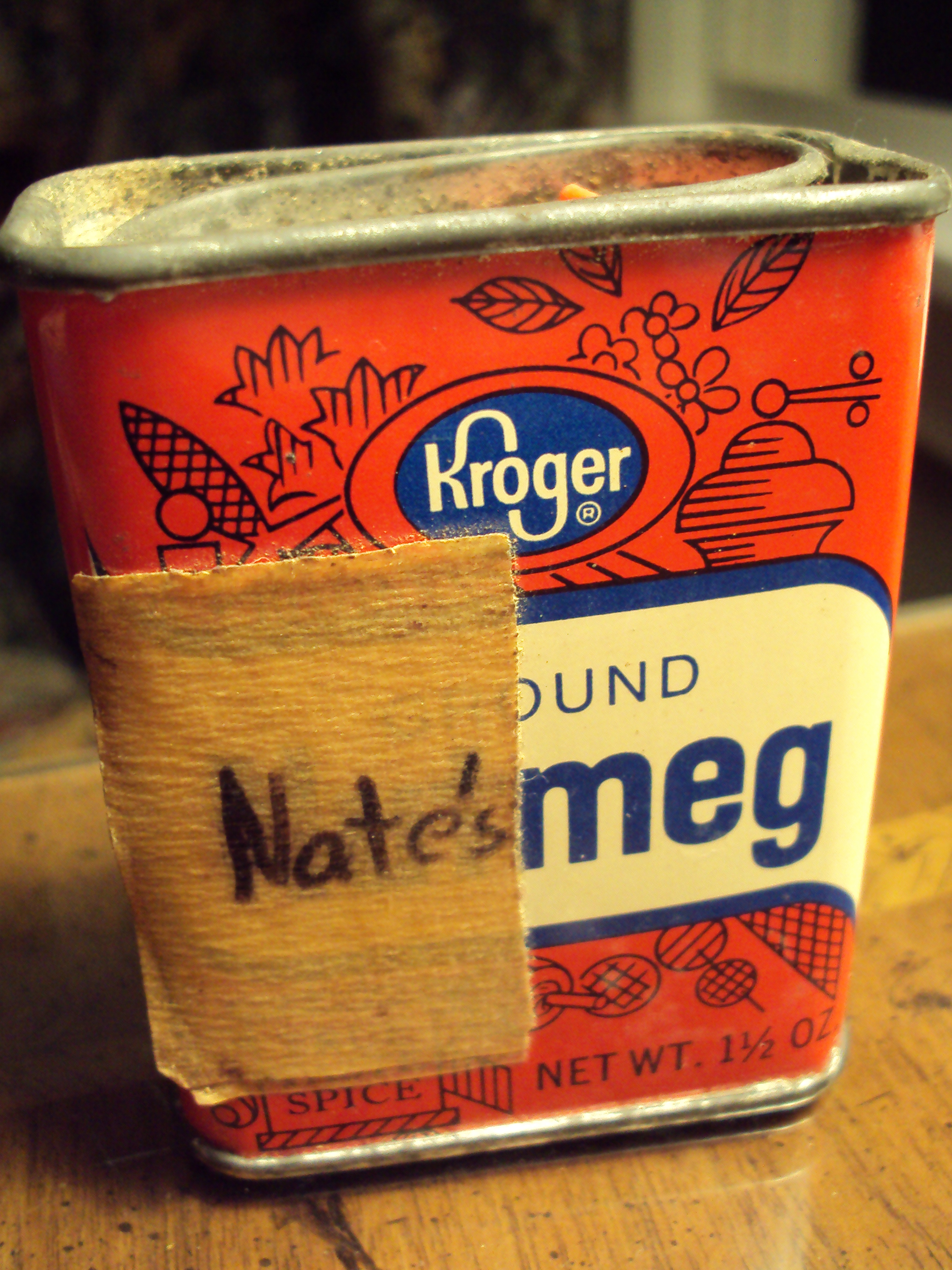
A month before we were married, I opened one of our two kitchen cabinets to get the cinnamon for toast and found a tiny love note attached to our lone spice can. Nate had taken a strip of masking tape, covered the “nut” in “nutmeg” and written “Nate’s” instead, i.e. “Nate’s Meg.” I loved it so much I’ve taken care of it for 42 years, and tonight the rusted can is sitting on my desk.

We weren’t unique in having special names for each other. Some newlyweds even have a language all their own, a vocabulary just for them. We weren’t any different, using tender words and inside jokes to make the most of every minute together.

Decades passed, and many of the pet names we had for each other disappeared, but as the years went by, we learned how to communicate better and better. Long-married wives and husbands figure out what works by finally surrendering what doesn’t. And if couples make it to a 40th or 50th anniversary, they know how to effectively talk to each other.

Someone else who communicates perfectly is God. He not only understands (and speaks) every language on the planet, he “gets” the slang and couple-vocab, too. Better still, he comprehends thought-language, yearnings we might have trouble putting into words.

This is good news for widows, who often agonize so deeply that a whimper or a sob is all they can “say”. Even then, God hears accurately, knowing their names and even their nicknames. As the old hymn says, Jesus is the lover of our souls. He may even have some nicknames of his own for us.

The nickname “Meg” stuck on greeting cards and notes until the day Nate died.  Although I eventually bought a new tin of nutmeg, Meg’s Nate can never be replaced.

“Undoubtedly there are all sorts of languages in the world, yet none of them is without meaning.” (1 Corinthians 14:10)

Who am I?

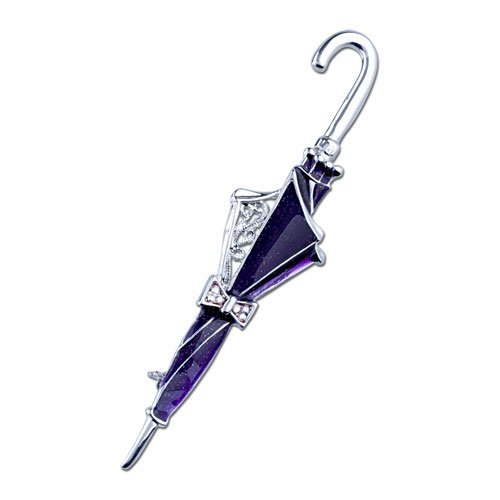
Marriage is biblically described as two-becoming-one. A simple visual might be a husband and wife sharing one umbrella, huddled close, clutching the handle together. The two are together inside the one.

Widowhood is a loss of that oneness, which necessitates standing alone beneath the umbrella. That has a familiar feel to it, since independence was the starting point for all of us, but standing alone in widowhood, our umbrella isn’t as straight as it used to be. It flops side-to-side, and after managing it alone for a while, it gets very heavy.

Those of us who were married for decades find ourselves wondering what’s going to happen next. Some hurry into a second marriage, feeling lonely and uncomfortable with the mantle of singleness. Others try to turn back the clock hoping to remake youth’s decisions: a new job, new hairdo, new wardrobe.

A few risk their savings on precarious ventures in a quest for the money husbands once provided. A small number hurt so badly they burrow into widowhood as a permanent identity.

When I became a widow, wise advisers told me not to make any changes for a year. “Don’t move back to Chicago. Don’t give away Nate’s clothes. Don’t join anything. Don’t quit anything. Don’t even rearrange your furniture.”

But we widows find ourselves yearning for a revised life-purpose while still in that recommended holding pattern of preventing change. Eventually, though, the “don’ts” must morph into “do’s”. Although earthly life ended for our men when they died, it didn’t end for us, and none of us should be fooled into thinking we can stay in a partnership that is no more.

As always, we should ask God what to do next. He has a fresh start ready for each of us, a positive purpose for our remaining years, something separate from our marriages. Half-plus-half made one marriage whole, but we’re now half minus half, which is not a marriage at all. None of us wants to continue as half-a-person.

Opening ourselves to a fresh start might seem scary because we love the familiar, but our familiar is gone. Even as I work at writing a book for the first time, I fight nervousness, because the process is unknown and untried. But God brought the opportunity after I asked “what’s next?”, so with confidence in him, I started.

None of us will ever stop missing our other halves. No new beginning can delete what we had, but living inside old memories means missing out on God’s next. Willingly walking with him into the worrisome unknown might even find us closing our umbrellas, because one day we’re going to realize the sun is out, and it’s shining brighter than ever.

“I have a lot more to tell you, things you never knew existed. This is new, brand-new, something you’d never guess or dream up. When you hear this you won’t be able to say, ‘I knew that all along.’ “ (Isaiah 48:6,7, The Message)