 Nelson’s poor health is lingering without improvement. But he’s hoping it’ll resolve before their summer vacation begins when they hope to drive an RV from California to the Ark Encounter in Kentucky–connecting with 28 family members there. The medical community is still describing his symptoms as a thyroid problem.
<<<<<<<<<<
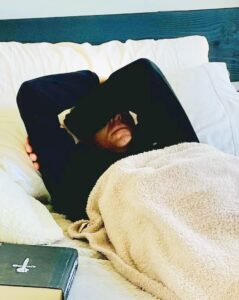
My thyroid is in and out. Yesterday was pretty good but with lots of fatigue in the afternoon, but today was fatigue pretty much all day and nausea later on. Not the most pleasant disease in the world.
Long term sickness is no fun with an uncertain timeline. Each adjustment in meds takes 3-4 weeks to plain out, then blood work, then another adjustment. Right now I’m not taking anything other than some heartburn meds to see if that has any effect on the cough. So far, nothing has touched that at all.
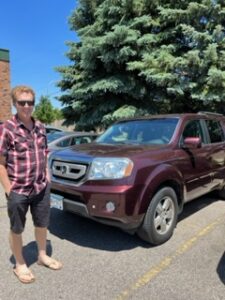
Seems like the doc thinks that that will plain off once the swelling in the thyroid goes down. No sermons to prepare. Sold the blue truck the other day. Lots of good stuff is happening. Ron Ryan is looking at an RV for me in San Diego for our road trip this Summer. It’s a vintage Toyota from 1979. I hope it’s not too old.
We want to take it from California to the Ark in about 2 week’s time without going on the interstate. Slow but steady. Seems to be in good shape, but they want a little too much for it.
We met with a really sweet Kokua Crew couple to help them decide their future. They are such sweet people, full of faith. “God told me this. God told me that.” They are such a cool expression of God’s heart. Both Annso and I are more the stoic, European/Scandinavian style of people. Less emotional and more practical. Fun to see God work within the differences. Thankful for YWAM and diversity.
It’s Friday night. We’re chilling at home as usual cause it’s too much hassle taking Will anywhere. Hoping the trip works out good with all the movement. We travel well together, so that’s good.
I hope my sickness is somewhat “at bay” by the time we leave, because we really don’t have health care outside the islands unless we pay for it. But here, everything is covered.
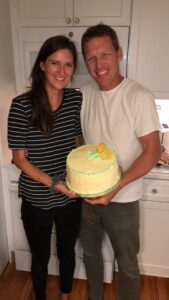 Annso is baking again, which is cool. We are getting the parenting thing down a bit, even though we haven’t mastered anything, if that’s even possible at any point. I pray for this sickness to resolve itself and to be normal again without meds at all. I pray it happens before June 22 when we leave. No more nausea, no more fatigue, no more cough. Those are the 3 big things going on all day and night these days. Sure helps not to take your health for granted.
Lord, I have been so healthy all my life, and for that I’m super thankful. I won’t take it for granted again, being able to run, swim, exercise, none of it. If there is something I am doing to create this problem, please let me know so I can correct it.
I’m thankful I drink less coffee this way. I wanted to cut back. Hard to be super nauseous and enjoy anything food or drink-wise. I’m sure thankful I sold that old truck for $3000. Not a big deal compared to what others are doing, but for me, it was a small victory. To resurrect something that would otherwise have gone to the junkyard, to get it running and totally legal. I thought that was pretty good.
Never did take it off road, but the 4×4 worked, so that’s cool. I’m thankful for the place you put us, the freedom we have, for the end of the Little Red Church, for the end of my career as an electrician, short-lived as it was, and for YWAM days, one after another so we can spend time together as a new little family.
I’m thankful for the cool little vehicles we have, the Miata, the Civic, the Ruckus, Metro, and the Shadow. Fun to have so many wheels all in the same place. Thankful for Ron Ryan who is looking at this RV for me. Thankful for your leading even when we don’t know.
I’m thankful that I didn’t go lead the guy’s prayer room after hearing the voice of God teaching me. Lord, you spoke through that magazine that said, “Hit the Road,” and that’s how faithful you are. Thankful that people actually want to hear my testimony. For the awesome grounds crew and their submission to what I ask, and their hard work and flexibility toward me. What a blessing.
Thank you for the summer and how Greg is thinking about coming back and helping me run the grounds team while we’re gone. Thank you that we are going to have a great staff team that prays and takes care of the place. Thank you Lord that you always give us what we need and way more. Thank you for Annso and Will and how you brought that to pass, the miracle it is.
Thank you for our parents. Thank you that you make seeing them possible this Summer. Thank you that I am speaking at the Korean Foundation School next week. What a cool thing. Thank you that you have given me the teaching already. I pray for the right words and that you would help me to include what I need to and leave out things that are not relevant to little kids.
Thank you for the Titus Project and what it taught me back in the day in Montana. I pray that you would lead us on the right road from California to Nashville in the Summer, or whichever way we take.
<<<<<<<<<<
“O Lord, if I have found favor in your sight, do not pass by your servant.” (Genesis 18:3)

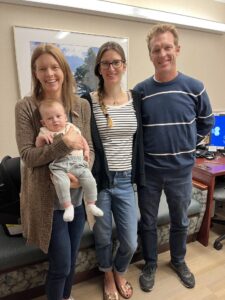 Tonight Annso and I left Will with Linni [a sister who was visiting] and went to this gun shop, which was more like a guy’s garage, but that’s where the map led. I wanted to ask about shipping my Glock here, and it was one more reason why I’m glad we moved to Minnesota.
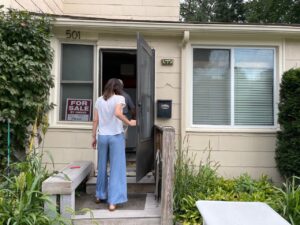 I’m glad we’re here. We looked at a couple duplexes, just walked around the outside and called a realtor. Who knows. Our apartment lease ends in November, but we want to start getting a feel for the market, in case we want to buy something eventually.