Maximizing Minimums

In yesterday’s blog we talked about taking advantage of teachable moments that pop up in everyday life, things like being given too much change at a store or not being charged for everything we bought. Rather than look at these moments as irritating inconveniences, wisdom tells us to view them as golden opportunities.

Mary and I, now in our late sixties, look back at our active mothering years and see lots of things we’d do differently if we could begin again. One of them would be to maximize the minimums, in other words, use small moments to teach big concepts.

This would include the obvious, like the extra change situation, but also less apparent chances to teach youngsters. Mary said, “One thing I wish is that I’d involved my kids more in giving to others.”

I reminded her she’d done a great deal, taking meals to people in crisis, driving Meals on Wheels for a hospital, tutoring children after school. She stopped me, though, and said, “But I didn’t usually let my kids help me. It was much easier to get it done without them.” We agreed these were still good deeds, but both of us had forfeited teachable moments.

As we talked, though, we did come up with two times when we did teach our young children through everyday circumstances:
Hot chocolate

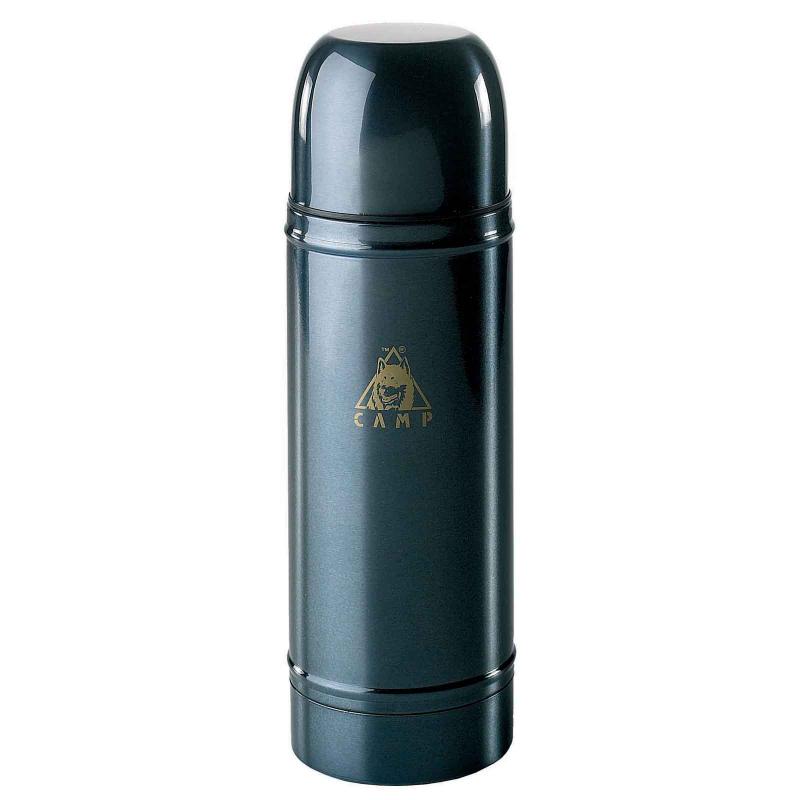
  1. Mary and her carload of children drove the same route to school for years, always passing an elderly crossing guard who daily helped young children cross the street (to a different school than Mary’s children attended). She remarked to her kids about this man’s faithfulness to his task, rain or shine, and wondered how they might show admiration for this stranger. Her children decided, during a very cold winter, to bring a thermos of hot chocolate to him and a thank you for a job well done. Whether or not the old man appreciated it, Mary’s children learned to consider the effort of someone else and express thanks for it.
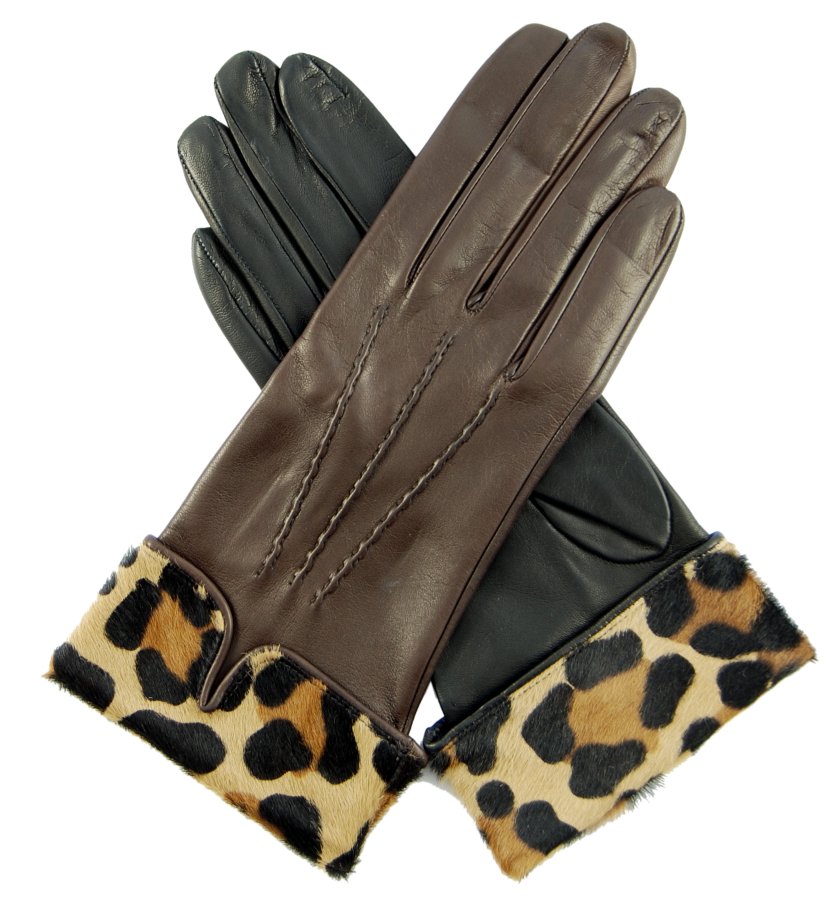
Leopard-lined gloves2. In driving my own carpool daily (to a different school), the children and I always passed an older woman bowed over with extreme osteoporosis. Gripping a walker, she inched along a particular stretch of sidewalk next to a middle-aged man, no doubt her son, painfully exercising at the same time every day. We looked for her as we came down the street, and my children wondered what we might do to encourage her. They decided to buy her a pair of warm winter gloves and deliver them with an original poem of admiration. On the day we stopped our van for them to jump out and approach her, I knew we’d accomplished something worthwhile in my kids.

Surely countless other examples could serve as ways to maximize teachable moments for children, whether our own or someone else’s. Jesus instructed us to be of practical help to others, not just for their benefit but for ours, too. He knew that would make everybody happy.

“How joyful are those who fear the Lord…. They share freely and give generously to those in need.” (Psalm 112:1,9)
Count the Cost

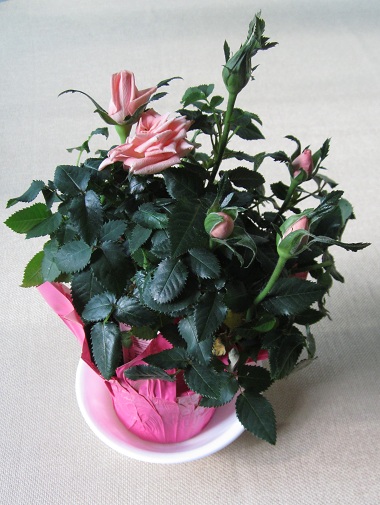
Although I don’t usually scrutinize my grocery receipts, this weekend after arriving home with my bags I did, because the total seemed so low. That’s when I realized the check-out girl hadn’t charged me for a small rose plant I’d bought as a Mother’s Day gift.

Sweetheart roses

Since I was on a tight schedule and the store was a 30 minute round trip from home, I didn’t have time to go back. And if I had, two things might have happened, making me wish I hadn’t. (1) The cashier might have gotten in trouble, and (2) the store manager might have said, “Don’t worry about it.”

So I did nothing.

The next day I explained it all to Mary, complaining about the inconvenience of having to go back to the store since I knew the right thing to do was pay what I owed. “You know,” she said, “it’s funny how that seems inconvenient now, but when I had kids living at home, I used to literally pray for opportunities just like that one. It was the perfect chance to teach something important without saying a word.”

She was right. Children watch us closely, “catching” the values we live out in front of them. Maybe, I thought, if I corrected the payment problem of the rose plant, someone I didn’t even know might “be watching.”

The day after my rose non-purchase, I had another list of errands, this one in the opposite direction. Last on my list was to head back to the rose store to settle up. When I finally got there, I walked over to the display of rose plants from which I’d “bought” the first one the day before. Pondering the best way to make things right, I decided to buy a second plant and let the checker scan it twice rather than go through the manager, causing trouble for the young girl who’d forgotten to charge me.

That girl wasn’t on duty, so I chose a young boy cashier and briefly explained that I wanted to pay for the plant I’d gotten for free the day before. “So,” I said, “why don’t you just scan this one twice,” I said, handing him the plant.

“Really?” he said, looking me in the eye. He picked up the plant, waved it over the scanner, then held it in the air, ready to do it again. Looking back at me he said, “You sure?”

“Yes,” I said,  “because if I didn’t do it, I wouldn’t sleep tonight, you know?”

“I suppose,” he said, swiping it a second time.

“And if I let myself get away with it this time, it would be easy to do it again some other time.”

“Maybe,” he said, slowly bagging the plant, not entirely convinced.

But as I turned to go, he said, “Hey… I appreciate what you just did.”

When I got in the car, I looked at the receipt. Amazingly, this one seemed low, too. Actually it was. Between yesterday and today, the roses had been marked down to half price, so I ended up with two…. for the price of one.

Sweetheart roses

Sweetheart roses“Better to be poor and honest than to be dishonest and a fool.” (Proverbs 19:1)

Studying for Finals

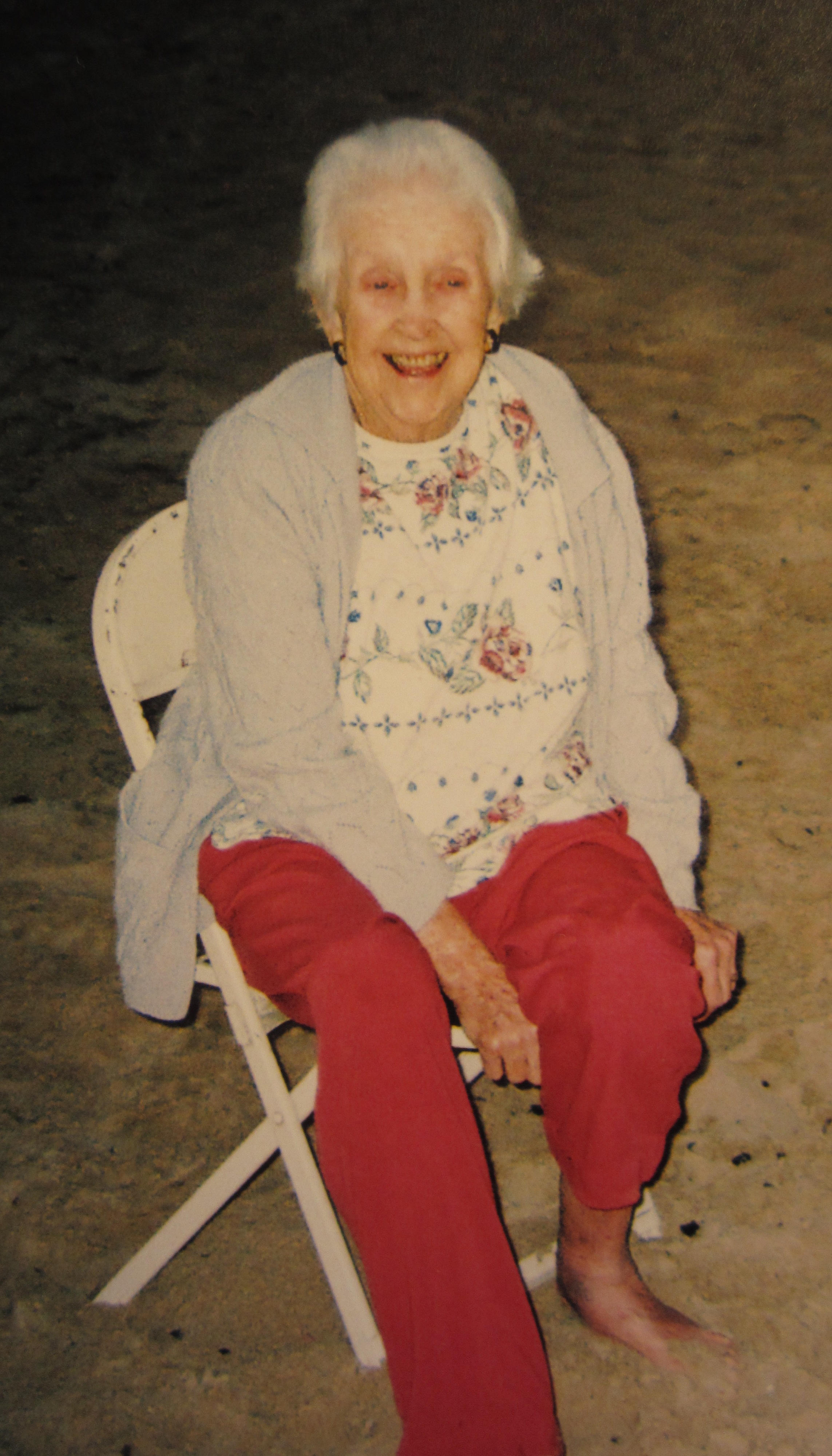
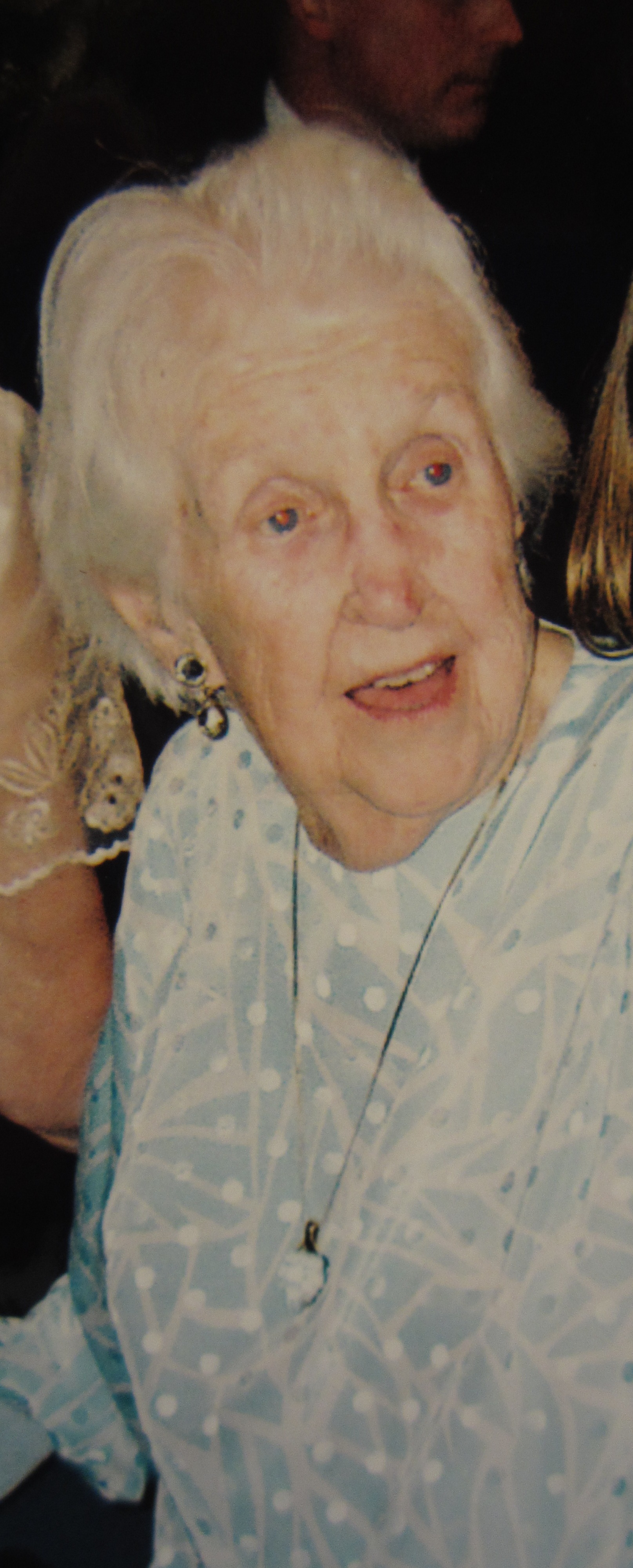
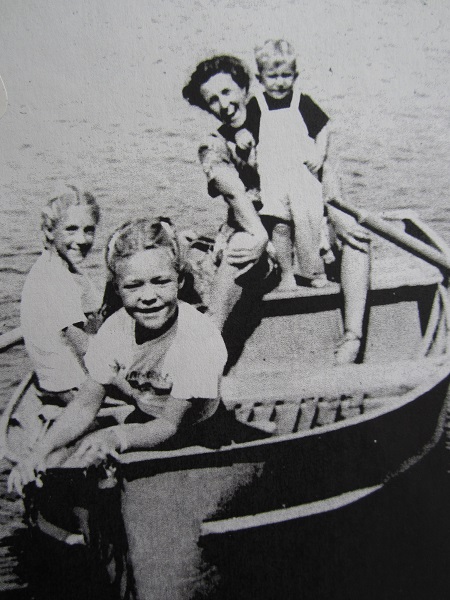
Fun with MomSunday is Mother’s Day, and I’ve been reflecting on my own mom. Having grown up surrounded by her love, her prayers, and her non-stop good times, the only thing I can do is translate my thoughts to prayers of gratitude.

Mom lived to be 92, and of course she became more sedentary as the years piled up. She never stopped playing games with her grand-kids, though, and loved every encounter with them. But there was something she loved even more than that: reading her Bible. “I’m studying for my finals, you know,” she’d say, a statement that reflected her strong belief she would be in the presence of Jesus “pretty soon.” She wanted to be as well prepared to meet him as she could, and burying herself in his Word seemed like the right approach.

Beach party

In 2004 (her last summer), she stayed a while with us at our cottage in Michigan. As a crowd of us would pack up for the beach, she’d settle into a chair by the window, her Bible in her lap and say, “Have fun!” In her opinion, though, she was having the greater fun, with Scripture.

That summer I watched her repeatedly open to the first page of the Bible, Genesis 1, where day after day she’d be on the same page. One day I asked about that. “Why don’t you turn the page?”

Her answer was interesting. “Have you ever thought there might have been eons of time between Genesis 1:1 and 1:2?” She couldn’t turn the page, because the first one offered so much to think about.

As she sat hour after hour studying Genesis 1, she bounced back and forth from reading to meditating to asking God questions, trying to absorb everything she could.

It was during that summer she said, “The answer to every problem is in the Bible, and that includes the cure for cancer.” Her favorite example of Scripture’s practical information was in Exodus 2:3’s description of the basket that baby Moses’ mother made for him. The Bible says she waterproofed it with “tar and pitch.” Mom said, “That was to let people know where to drill for oil.”

Mom absolutely loved her Bible and fully trusted the Spirit of God to have led the men who wrote it. She often asked us scriptural questions and readily admitted she didn’t have all the answers.

Ya don't say!

I’m quite sure Mom never had to take any heavenly final exam, but if she had, she would have done A-OK. As I think back on her unflagging diligence in studying Genesis 1 that summer, it’s satisfying to know that now, in the Lord’s presence, she has had her questions answered.

And she probably even knows which Bible verses hold the cure for cancer.

Jesus replied, “Are you not in error because you do not know the Scriptures?” (Mark 12:24)