A Good God

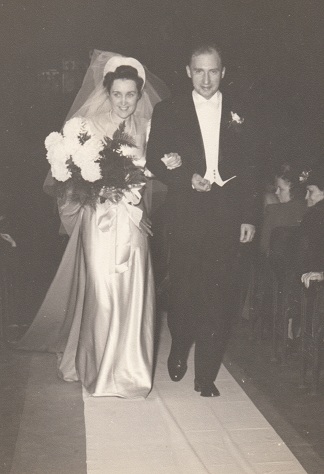
Last weekend we marked the 21st anniversary of my father’s death in 1991. Dad was a late bloomer. He dated only one woman and didn’t get started on that project until his 40’s, but that slow start never disadvantaged him. He and Mom made it to their 50th anniversary, and I remember well the party we planned for them.

Several members of their original wedding party from 1941 were able to join us, bringing their remembrances with them. Granddaughters modeled Mom’s wedding gown and a bridesmaid’s dress, and a Chicago bakery recreated their wedding cake. The celebration was like an exclamation point at the end of a good marriage, because the very next month God called Dad to heaven.
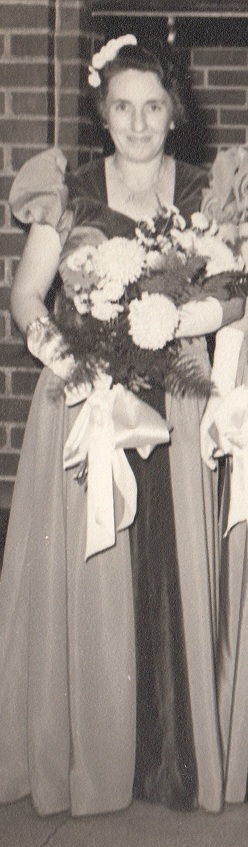
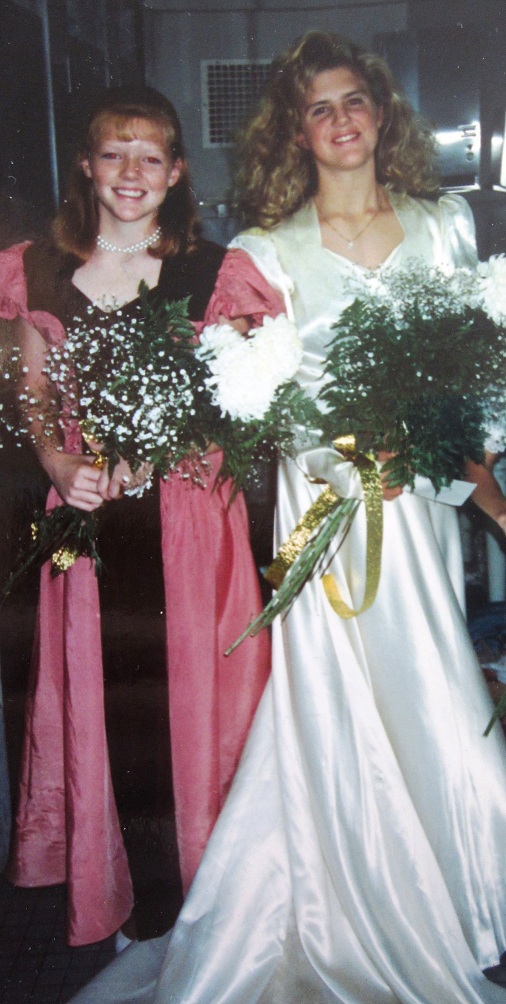
Whenever something happens with unusual timing like that, it’s probably God’s way of getting our attention. He orchestrates things purposefully and hopes we’ll learn from it. What message might have been buried within the unusual timing of Mom and Dad’s 50th anniversary being followed so quickly by Dad’s death?

One lesson might be the importance of waiting to make big decisions until God gives the green light. When Dad’s 20’s and 30’s were passing him by, he could have panicked, wondering if he’d ever find the right girl. Would he miss out on married love, a home with children, grandchildren?

Marriage is a decision of considerable consequence, and Dad wisely waited until all indicators pointed to the right time and the right woman. But marrying at 42 made it seem unlikely he and Mom would reach their 50th. God, however, said, “Just watch me.” Dad’s late start had been the Lord’s perfect choice after all.
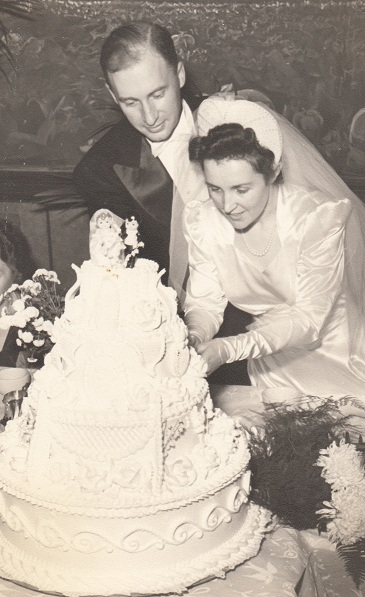
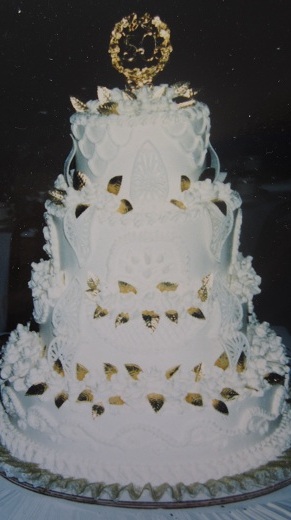
A second thing we can learn from the timing of Dad’s death is that God has control of our calendars. We write and rewrite them, but God makes last- minute rearrange- ments whenever he chooses. So we learn it’s a good idea to remember whose endorsement we should seek before we make our plans.

One last thing we can learn from the Lord’s timing with Dad is that God is good. Scripture tells us God delights in giving gifts to his children, and Dad’s making it all the way to the 50th was one of them. The trick for us now is to remember that the God-is-good character quality is still a part of God, even when his gifts might seem few and far between.

Our Lord doesn’t change. He was a good God before 1991, has been good since then, and will be good throughout eternity. If he does or doesn’t show that to us, it has no effect on whether or not it’s true. God himself put it best when he said, “I am who I am.”
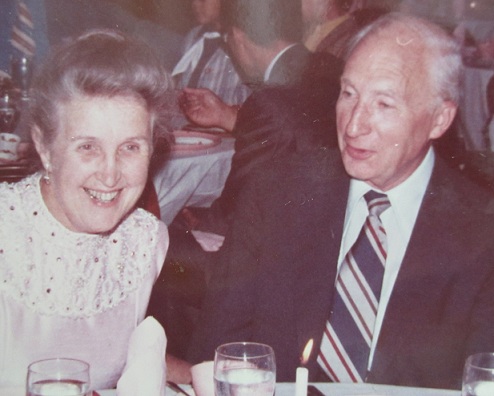
Dad’s been gone a long while, and sometimes we think it’s a shame he’s missed 21 years of family life. But of course he’s having his own special good times in God’s family, where the Lord’s goodness can be visualized every single day.

“No good thing does he withhold from those who walk uprightly.” (Psalm 84:11)

Three Weeks Old

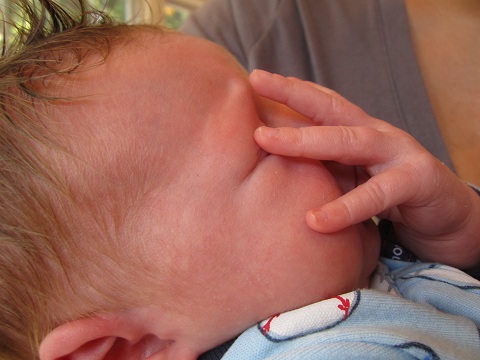
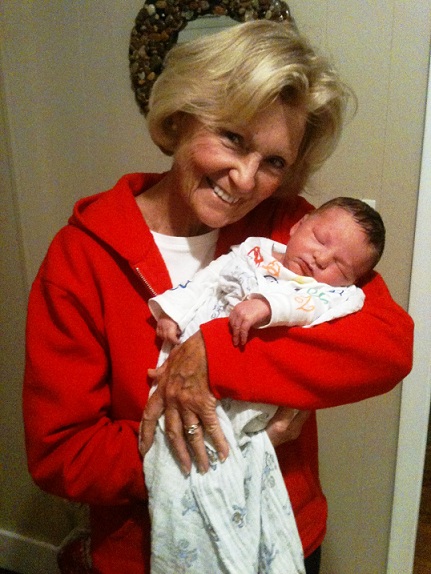
Our little Emerald Louisa has been with us only 3 weeks, but now we can’t imagine life without her. She’s begun to notice her surroundings, which includes our faces, toward which she’ll occasionally flash a grin. Since she’s conservative with her smiles, we continually work to get “just one more.”

Part of the joy of having a newborn around is discovering who it is inside that tiny body. Amazingly, she already has her own opinions, and she’s gradually letting us know what they are. For example, during a fussy moment, she likes our singing. She also has a preference for the vibrating infant seat over the movement of her swing. She likes looking in a mirror at herself and loves stroller walks in the brisk night air from a cozy snowsuit. She prefers to be warm but doesn’t like to get undressed even if there’s a warm bath at the other end of it.

All of these opinions can be defined as Emerald already having a will of her own. Child care experts say the discovery of this self-will is what makes two year olds have tantrums. They’re simply realizing they’re a separate entity from everyone else. In my opinion, children learn that much earlier than two. Say, by 3 weeks.

But even though a child’s self-will oftentimes goes head-to-head with an adult’s, we can’t deny God has done something marvelous in the creation of a baby. And giving each of them a will of their own was a risky idea on his part. It would have been no risk to pre-program them as continually cooperative without any ability to buck the authorities.

Instead God lets babies make choices right from birth. Actually, ultrasound pictures show us they’re demonstrating their opinions even in the womb.

Why would God give self-will to such tiny little people? Or, for that matter, to us big ones? Probably because he wanted to see what we would do with them, especially where he’s concerned. As it is, each of us has a daily chance to love him or leave him.

We parents understand that reasoning. When children are in middle school, we take a small step back to watch what choices they’ll make. If they choose badly, we step forward again to rescue, discipline, or rearrange circumstances that will train them further.

A while later, we step back again, and then again, hoping they’ll make the right choices just as God hopes about us. Eventually, in both the parental case and in God’s case, final decisions are up to the individual. Parents should no longer insist their adult children do things one way over another, and God operates the same way.

So, at our house we continue to learn what little Emerald really thinks as she makes her likes and dislikes known. Her opinions will become more and more important as she grows, and we’ll be praying she’ll make wise choices. If she’s anything like the rest of us, though, she can look forward to some big-time adjusting.

Peter replied, “I see very clearly that God shows no favoritism.” (Acts 10:34)

Just an Ounce

Benjamin Franklin is credited with the maxim, “An ounce of prevention is worth a pound of cure.” Wanting to follow this logic, yesterday I went to Walgreens and got a flu shot.

I grew up in a home where both parents believed a little illness gave the body a chance to exercise its disease-fighting mechanism, and conquering the flu was evidence all systems were working. We weren’t taken to a doctor unless we needed stitches or surgery, and if we had a fever, we weren’t encouraged to take aspirin. “A fever is just your body letting the sickness out,” Mom would say.

That philosophy is probably why I figured flu shots were only for those who loved medicine and doctors offices. I’d been sick so few times I couldn’t even remember having a cold. That is, until Christmas, 2010.

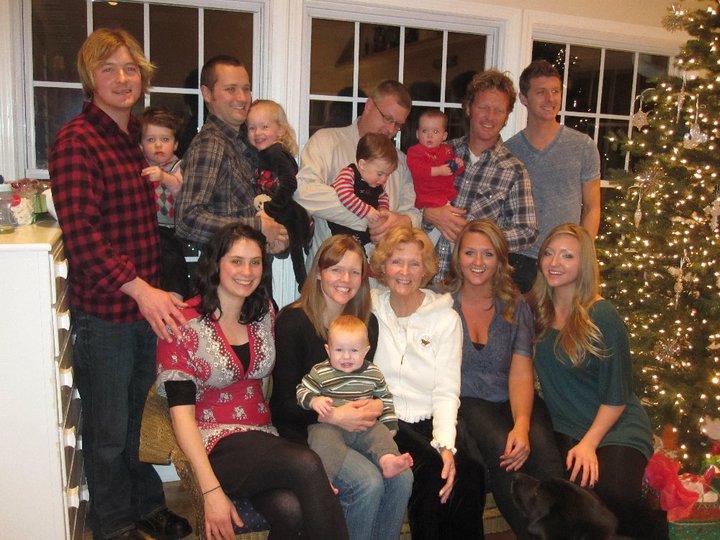
Our whole family was scheduled to come to Michigan from Florida, England, Hawaii, Iowa, and Chicago. Christmas of 2009 had been sad and somber, since we were still reeling over Nate’s death a few weeks earlier. When I look at the family photo taken a year later in 2010, I see a group that had survived the worst part of grieving. But I also see a whole bunch of people who had just finished enduring something else: two holiday weeks of shared diseases.

The Christmas season we’d hoped would be joyful included fevers, vomiting, diarrhea, headaches, and lots of crankiness. Not one of us had escaped. And several days after that picture, as I stood on the front porch waving off the last of them, I made a decision to join the ranks of flu shot consumers.

An ounce of prevention is always better than mopping up afterwards, but of course this principle doesn’t just apply to diseases. If we fudge on our income taxes, for example, the end result is a fine many times greater than the original tax bill. If we tell one lie, we might have to tell 15 more to support that first one. On paper we know these things. Applying them is something else.

And what about spiritual ounces of prevention? How do we prevent ourselves from, for instance, falling into temptation? An ounce of that kind of prevention might mean finding an accountability partner. It might mean making sure the things that tempt us have been cleaned out of our homes. Maybe it’s appropriate Scriptures written on cards, or a list of 3 practical steps to take during times of weakness.

Hebrews 11 tells us that many of the Old Testament saints “were made strong out of weakness.” (v. 34) And how did that happen? God strengthened their faith, one preventative ounce at a time. He’s the same God today, offering the same ounces to any of us who are willing to work at preventing sin.

I guess compared to that, getting a flu shot is a piece of Christmas cake. Ben Franklin, my sore shoulder thanks you.

“Watch and pray so that you will not fall into temptation. The spirit is willing, but the flesh is weak.” (Matthew 26:41)